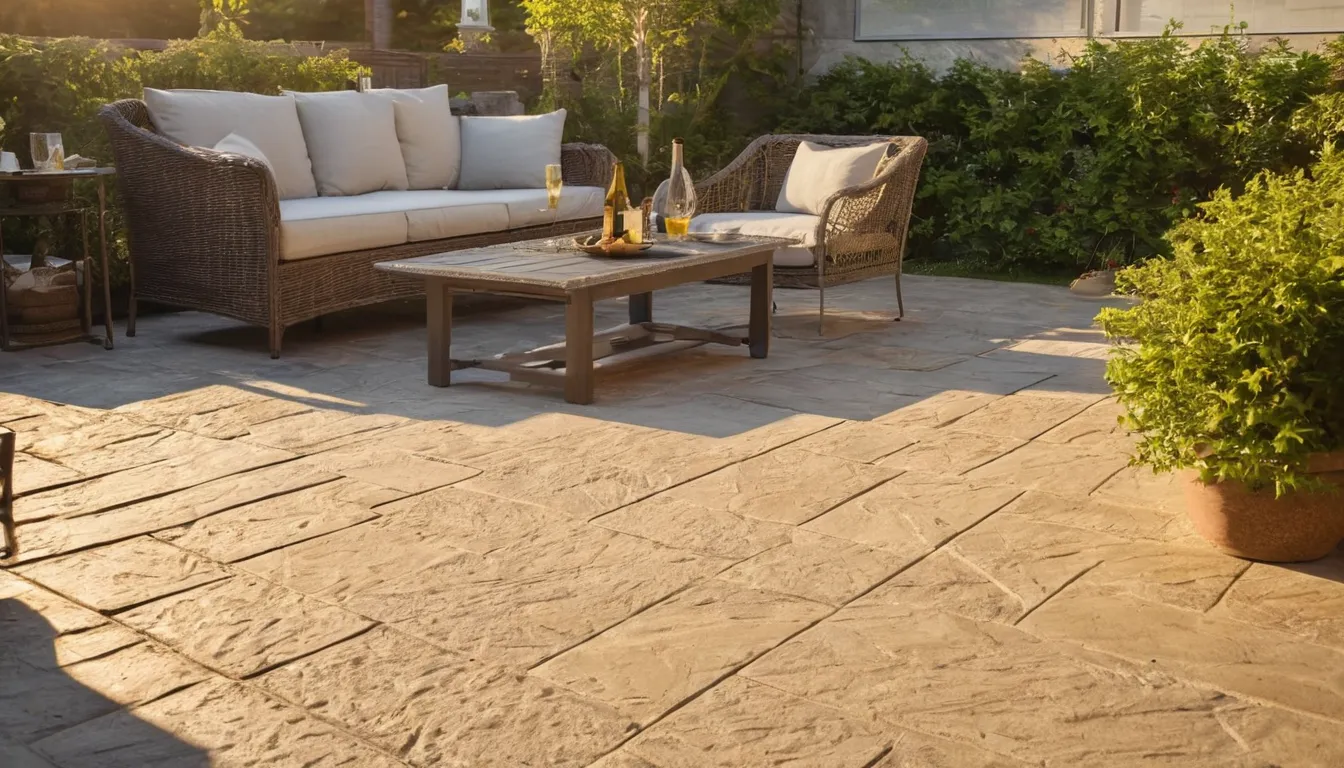
Need concrete driveways help in Lake St. Louis?
Request an estimate for a new driveway or patio. A local provider in our network will follow up. No obligation.
No obligationRequest your driveway estimate
Ptobin Concrete is a referral desk. We do not pour or finish concrete. We connect homeowners in the Lake St. Louis area with independent local providers who build new driveways, so you spend less time searching and more time planning.
Start with an estimate request. It carries no obligation. A provider in our network reviews your details, asks a few questions, and talks through size, thickness, finish and timing. Know the options first, then decide who gets the job.
Most homeowners start asking when the old slab stops being a small nuisance and becomes a daily problem. Water pools. Edges crumble. A car bottoms out at the curb.
If that sounds familiar, the next step is simple: get a written estimate from a local provider. Less searching, more pouring.
Some signs point to a full replacement. Others only call for a patch. Watch for these:
Hairline cracks are common and often cosmetic. Wide, stepped or branching cracks are different. They usually mean the ground under the slab has moved.
A slab that drops leaves a gap underneath. Cold winters with deep frost make this worse, because freezing soil pushes up and then settles unevenly in spring.
Surface scaling often follows repeated freeze and thaw cycles, especially where de-icing salts sit on the concrete. Once the top layer peels over a large area, a new surface is usually the practical fix.
Concrete driveway repair makes sense for a few small cracks on a sound slab. Replacement makes sense when damage is spread out, the slab has sunk, or the base has failed. A provider can look at the pattern and tell you which path fits. If water near your foundation is part of the story, foundation repair experts are a separate trade, but a new driveway can be sloped to move runoff away from the house.
The scope varies by property, yet most concrete flatwork follows the same order.
The old slab is broken up and hauled away. The ground is graded, then topped with compacted gravel. A firm, even base is what keeps a new slab from shifting.
Wood or metal forms set the shape. Rebar or wire mesh goes in for strength. Then the concrete is poured, leveled and worked flat.
Crews add a surface texture for traction and cut control joints. Those joints guide where the slab cracks as it cures, so the cracks stay straight and tidy.
A one-car driveway is often about 10 feet wide. Two cars usually need 18 to 24 feet. Extra width near the garage helps with turning and with opening car doors.
For thickness, four inches is a common standard for passenger vehicles. Many providers suggest five or six inches if you park trucks, vans or a trailer.
For finish, a broom texture is the usual choice and gives good grip when wet. Exposed aggregate and stamped patterns cost more but add curb appeal. In regions with hail, thunderstorms and icy winters, ask about air-entrained concrete, which resists freeze damage better.
The apron is the section where your driveway meets the street. It often sits in the public right-of-way, so the town may set rules on width, thickness and who can work on it.
Many areas require a permit for a new driveway or an apron change. Some also have limits on how much of the front yard can be paved. A local provider usually knows the process. Still, confirm who pulls the permit before work starts.
Keep the checklist short:
If two estimates differ a lot, the gap is often in base work or slab thickness. Ask why.
Keep cars and heavy loads off until the provider says the slab has cured. Many pros suggest staying off foot traffic for a day or two and vehicles for about a week, though timing depends on the mix and the weather.
Hot, humid summers can dry the surface too fast, and cold snaps can slow curing. Providers adjust for this, so ask what to expect.
Sealing protects against moisture and salt. Many providers wait several weeks before the first coat. In the first winter, go easy on de-icing products and use sand for traction instead.
Ready to compare options? Request a callback to check provider availability, or send an estimate request and let a local provider reach out.
Breaking up, hauling off and disposing of the worn driveway so the new work starts clean.
Leveling the ground and compacting gravel so the new slab sits on a firm foundation.
Setting the shape, adding rebar or mesh, then placing and leveling the concrete.
Texture for grip, cut joints for controlled cracking, and curing steps to protect the surface.
These are general ranges for new concrete driveway work. Real prices vary by site, region and scope, so always get a written quote before agreeing to anything.
| Item | Typical range | Notes |
|---|---|---|
| Basic broom-finish driveway | $6 – $12 per sq ft | Common standard for a plain slab |
| Old slab removal | $1 – $3 per sq ft | Depends on thickness and disposal fees |
| Gravel base and grading | $1 – $3 per sq ft | Deeper base costs more on soft soil |
| Exposed aggregate or stamped finish | $10 – $18 per sq ft | Adds texture, color and labor |
| Thicker slab for heavy vehicles | $1 – $2 extra per sq ft | Five to six inches is common |
| Permit and apron work | $100 – $1,000 | Varies widely by town and scope |
Share your address area, driveway size and what you want changed using the estimate form.
A local provider in our network reviews your request and reaches out with questions.
Compare scope, thickness, base work and finish. Ask about permits and timing.
Pick the provider you trust. You agree on the details directly with them.
Skip the long search. Send one request and a local provider can follow up with questions.
Size, thickness and finish are explained in plain terms before anyone breaks ground.
Work is done by independent local businesses in our network, not by Ptobin Concrete itself.
Requesting an estimate costs you nothing to decide on. You choose who, if anyone, to hire.
Request an estimate for a new driveway or patio. A local provider in our network will follow up. No obligation.
No obligationTypical U.S. prices run about $6 to $12 per square foot for a basic slab. Removal, base work, thickness, finish and permits change the total, so ask for a written quote.
Four inches is common for cars and light vehicles. Many providers suggest five or six inches for trucks, vans or trailers. A compacted gravel base underneath matters just as much as thickness.
Foot traffic is often fine after a day or two. Many providers advise waiting about a week for vehicles. Weather affects curing, so follow your provider's specific guidance.
Request an estimate for a new driveway or patio. A local provider in our network will follow up. No obligation.
No obligation